The Dolch Word List is a compilation of frequently used words in the English language that are essential for early readers to recognize by sight. These words are often difficult to sound out phonetically, so it is important for children to memorize them to improve their reading fluency and comprehension.
By providing a printable Dolch Word List, parents and educators can help young learners practice these important words at home or in the classroom. This resource is a valuable tool for reinforcing sight word recognition and building vocabulary skills in children.
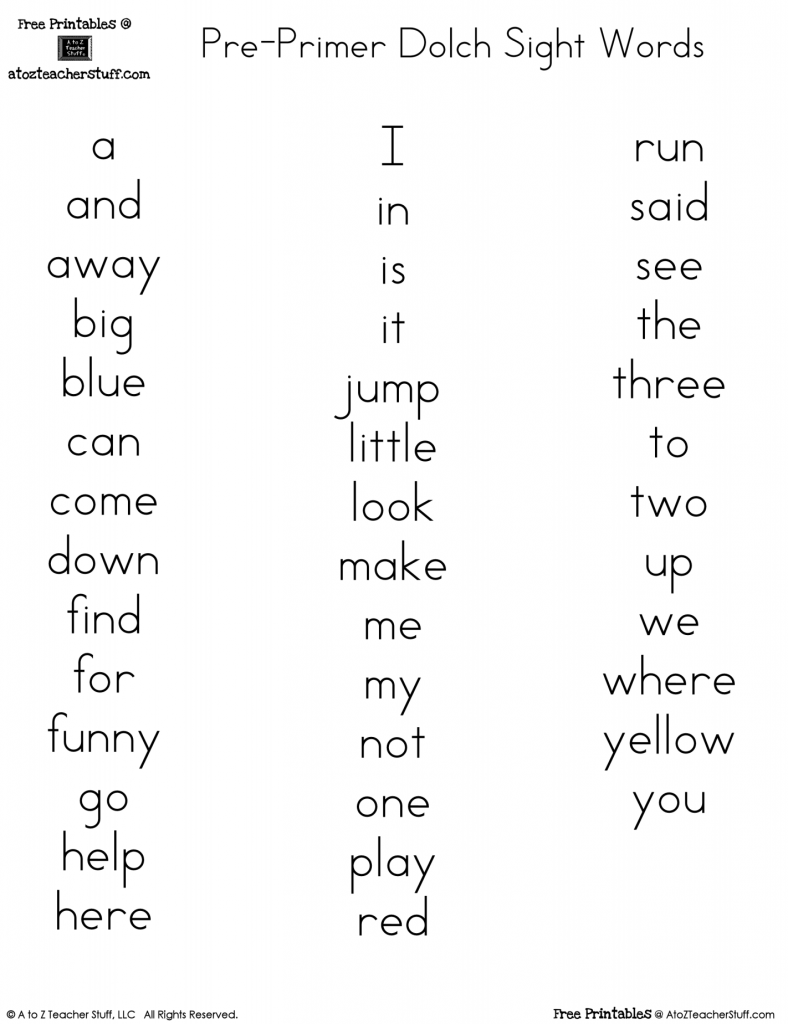 Printable Dolch Word List
Printable Dolch Word List
The Printable Dolch Word List is categorized into different levels, ranging from pre-primer to third grade. Each level contains a set of sight words that children should be able to recognize and read without hesitation. By regularly practicing these words, students can improve their reading proficiency and fluency.
Parents can use the Printable Dolch Word List to create flashcards, word games, or worksheets for their children to practice at home. Educators can incorporate these words into their lesson plans to help students master essential vocabulary and improve their reading abilities.
It is important to make learning fun and engaging for young learners, so incorporating hands-on activities and games with the Printable Dolch Word List can make the learning process more enjoyable. By making practice sessions interactive and entertaining, children are more likely to retain the information and develop a love for reading.
Overall, the Printable Dolch Word List is a valuable resource for parents and educators to help children enhance their reading skills and build a strong foundation for academic success. By providing access to these common sight words in a printable format, children can practice and reinforce their vocabulary knowledge in a convenient and effective way.
Whether used at home or in the classroom, the Printable Dolch Word List is a useful tool for supporting early literacy development and fostering a love for reading in young children. By making learning engaging and interactive, parents and educators can help students become confident and proficient readers.